
HR Tech SaaS may earn a commission when you buy through links on this page. Our recommendations are editorial and never paid for.
- Workera is strong at technical skills measurement, but its depth is concentrated in AI, data science, and engineering roles , not general workforce skills.
- The best alternative depends on three variables: whether you need an external skills ontology, how tightly you need L&D content connected to assessment results, and whether you want adaptive testing or survey-based self-assessment.
- Platforms like Degreed and 360Learning win on L&D integration. Platforms like Gloat and Eightfold win on talent deployment. Platforms like TestGorilla and Vervoe win on pre-hire assessment at scale.
- Pricing across this category is almost entirely quote-based. Any article claiming exact per-seat prices without linking to a public pricing page is guessing.
- Skills ontology quality is the single most important and least-evaluated buying criterion in this category. Read the explainer on skills ontology in HR tech before shortlisting any platform.
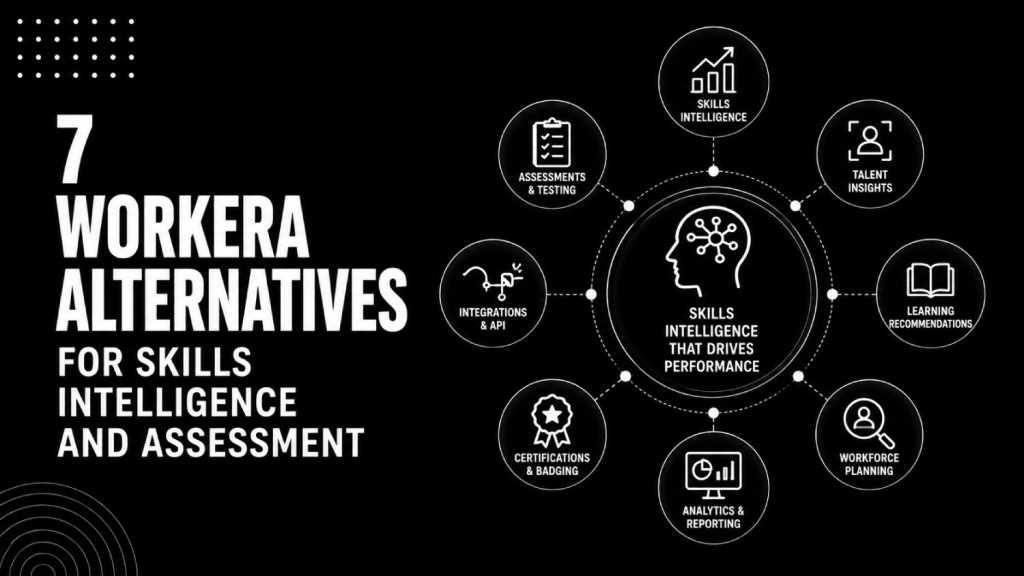
The best Workera alternatives for skills intelligence and assessment include Degreed, Gloat, Eightfold AI, Fuel50, TestGorilla, Cornerstone OnDemand, and 360Learning. Each serves a different primary use case: Degreed connects skills data to learning pathways, Gloat and Eightfold power internal mobility, TestGorilla and Vervoe handle pre-hire technical screening, and Cornerstone covers enterprise-wide skills mapping at HCM depth. Workera’s advantage is adaptive, verified skills measurement for technical roles. Its weakness is breadth across non-technical functions and L&D workflow integration.
Why Are Buyers Looking for Workera Alternatives?
Workera built its reputation on one thing: rigorous, adaptive skills measurement for AI, data, and software engineering roles. The assessments are legitimately harder to game than most alternatives. That is real, and buyers who need verified skill scores for technical upskilling programs will find few tools that match its assessment quality.
The buying-decision friction starts when organizations want to do more with that data. Workera’s skills intelligence is deep but narrow. It covers technical domains well and connects to a curated set of learning content, but it does not offer the kind of cross-functional skills taxonomy that an HR team running a skills-based organization initiative needs across marketing, finance, and operations. Many buyers come in expecting a full workforce skills platform and find a technical training measurement tool.
The other common frustration is L&D workflow. Workera generates learning plans, but the content catalog is not yours to configure freely. Organizations that already have a content library in Degreed, Cornerstone, or an LMS want skills assessment data to flow into their existing system, not a parallel platform. When integration is shallow, skills data sits in a silo.
If you are earlier in the process of thinking through what skills intelligence actually means versus broader workforce analytics, the distinction between people analytics, workforce analytics, and talent intelligence is worth settling before you write an RFP.
What Should You Evaluate Before Choosing a Skills Intelligence Platform?
Before looking at vendor names, get clear on four questions. First: are you measuring skills for hiring, for internal mobility, for L&D planning, or for workforce planning? These use cases overlap but they pull toward very different platform types. Second: do you need psychometrically validated adaptive assessment, or is a structured self-assessment with manager validation sufficient for your maturity level? Third: do you have an existing skills ontology, or do you need the vendor to provide one? Fourth: where does skills data need to go , your HRIS, your LMS, your internal talent marketplace, or all three?
The answers to those four questions will eliminate at least half the vendors on any list before you run a single demo.
| Platform | Primary Use Case | Assessment Type | Ontology | L&D Integration | Best For |
|---|---|---|---|---|---|
| Degreed | Skills + learning pathways | Self-assessment + inferred | Open, configurable | Native | Enterprise L&D teams |
| Gloat | Internal talent marketplace | Inferred from profile + activity | Proprietary AI | Via integrations | Internal mobility at scale |
| Eightfold AI | Talent intelligence + hiring | Inferred from resume + signals | Proprietary deep learning | Via integrations | Recruiting + workforce planning |
| Fuel50 | Internal mobility + career pathing | Self-assessment + structured | Configurable | Native | Mid-market mobility programs |
| TestGorilla | Pre-hire skills screening | Scored test library | Role-based | ATS integrations | Hiring teams replacing resumes |
| Cornerstone OnDemand | HCM + skills + learning | Self-assessment + formal testing | Cornerstone Skills Graph | Native LMS | Enterprise HCM buyers |
| 360Learning | Collaborative L&D | Self-assessment via learning data | Via integrations | Native | L&D teams building peer learning |
The 7 Best Workera Alternatives: Platform-by-Platform Analysis
1. Degreed: Best for Organizations That Want Skills Tied Directly to Learning
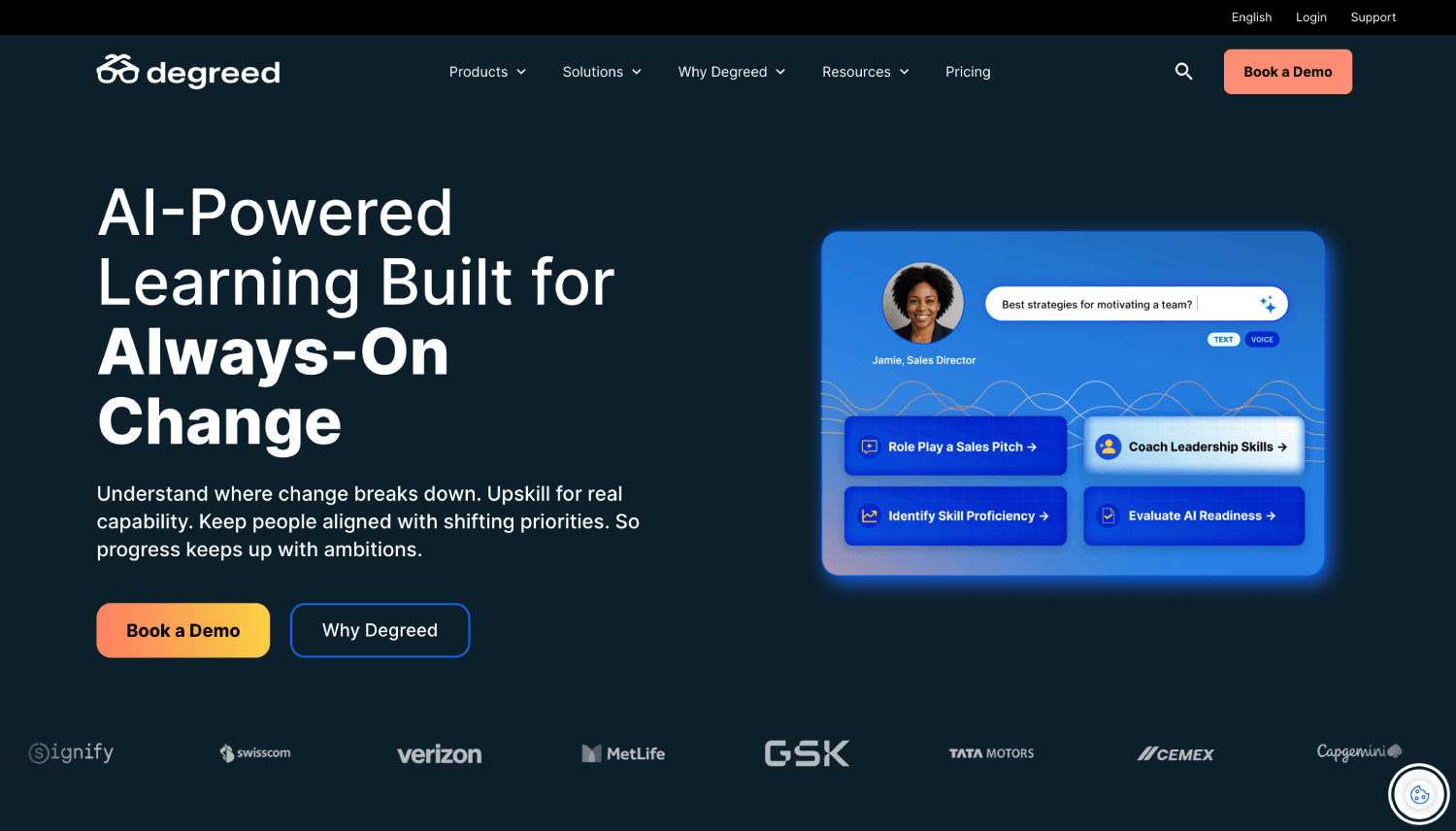
Degreed is the most direct competitor to Workera in the sense that it tries to answer the same core question: what do your people know, and what should they learn next? Where Workera uses adaptive assessments to verify skills, Degreed infers skills from learning activity and combines that with structured self-assessments and optional formal tests.
The strength here is the content integration layer. Degreed aggregates learning content from dozens of providers and lets organizations build custom pathways against their own skills framework. If you already use LinkedIn Learning, Coursera, or internal content, Degreed is where that data surfaces as a skills signal.
The honest trade-off: Degreed’s skills scores are less rigorously validated than Workera’s. “You completed a course on Python” is a weaker signal than “you scored at proficiency level X on an adaptive Python assessment.” For organizations where skills verification matters for high-stakes decisions like promotions or deployment, that gap is real. For organizations primarily trying to drive L&D engagement and surface skill gaps at a population level, Degreed does that well. Pricing is quote-based.
2. Gloat: Best If Internal Mobility Is the Core Use Case
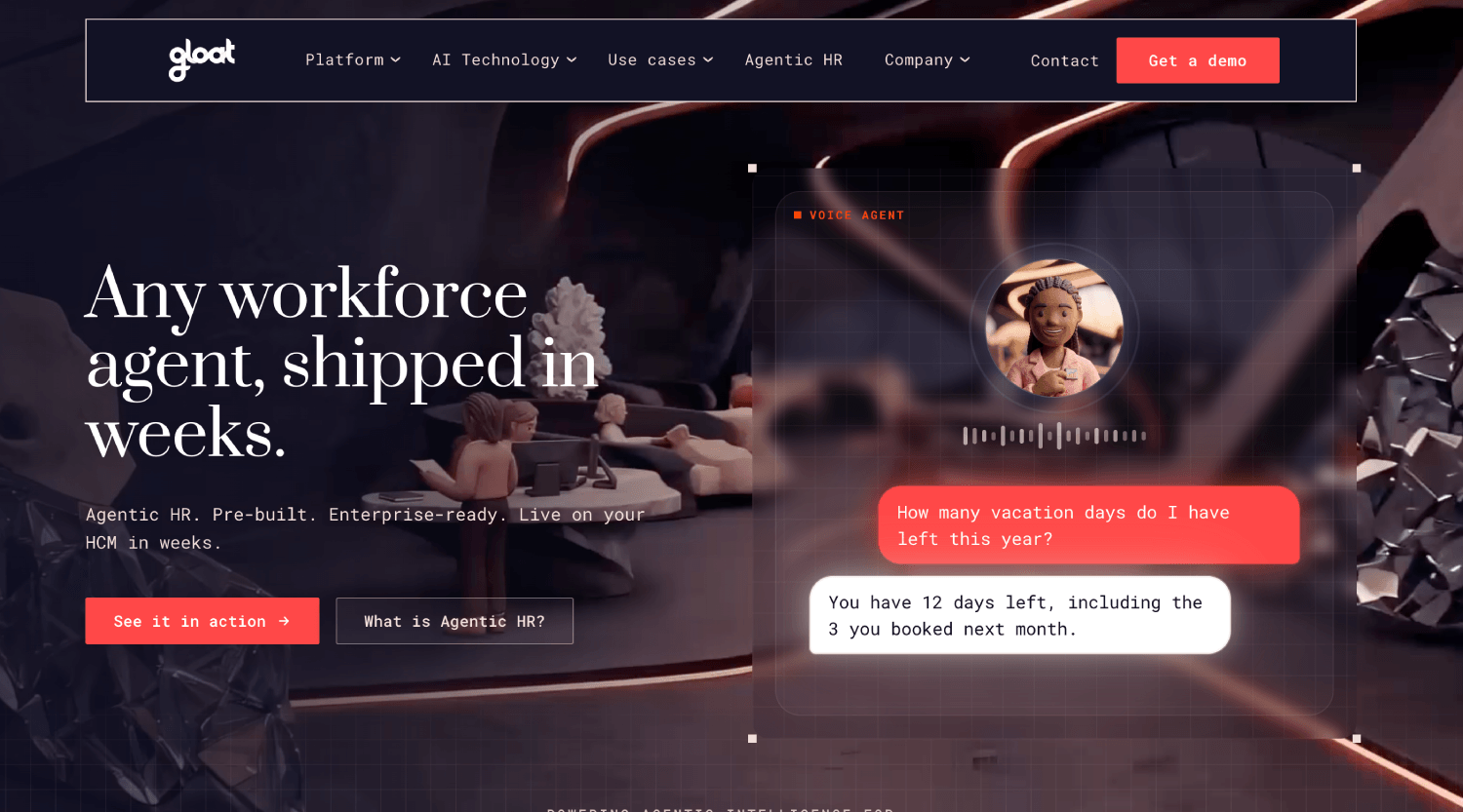
If your problem is not measuring skills per se but deploying existing talent more effectively, Gloat is a serious option. It uses AI to infer skills from employee profiles, work history, and behavioral signals, then matches those inferred skills to internal gigs, stretch assignments, mentorships, and open roles.
Gloat does not run adaptive assessments. It does not generate verified skill scores. What it does is make skills data useful for movement, which is a meaningfully different value proposition. For large enterprises where the priority is reducing external hiring by surfacing internal candidates, Gloat’s approach is well-suited.
The limitation is assessment depth. Gloat’s skills intelligence is strong for mobility decisions but is not designed to tell you whether someone is genuinely proficient at a technical skill versus self-described. If you need that verification layer, you would need to layer Workera or a similar assessment tool on top. Pricing is enterprise and quote-only. For a deeper comparison of Gloat alongside Fuel50 and Eightfold, see the Gloat vs Fuel50 vs Eightfold breakdown.
3. Eightfold AI: Best for Organizations That Want Skills Intelligence Across the Full Talent Lifecycle
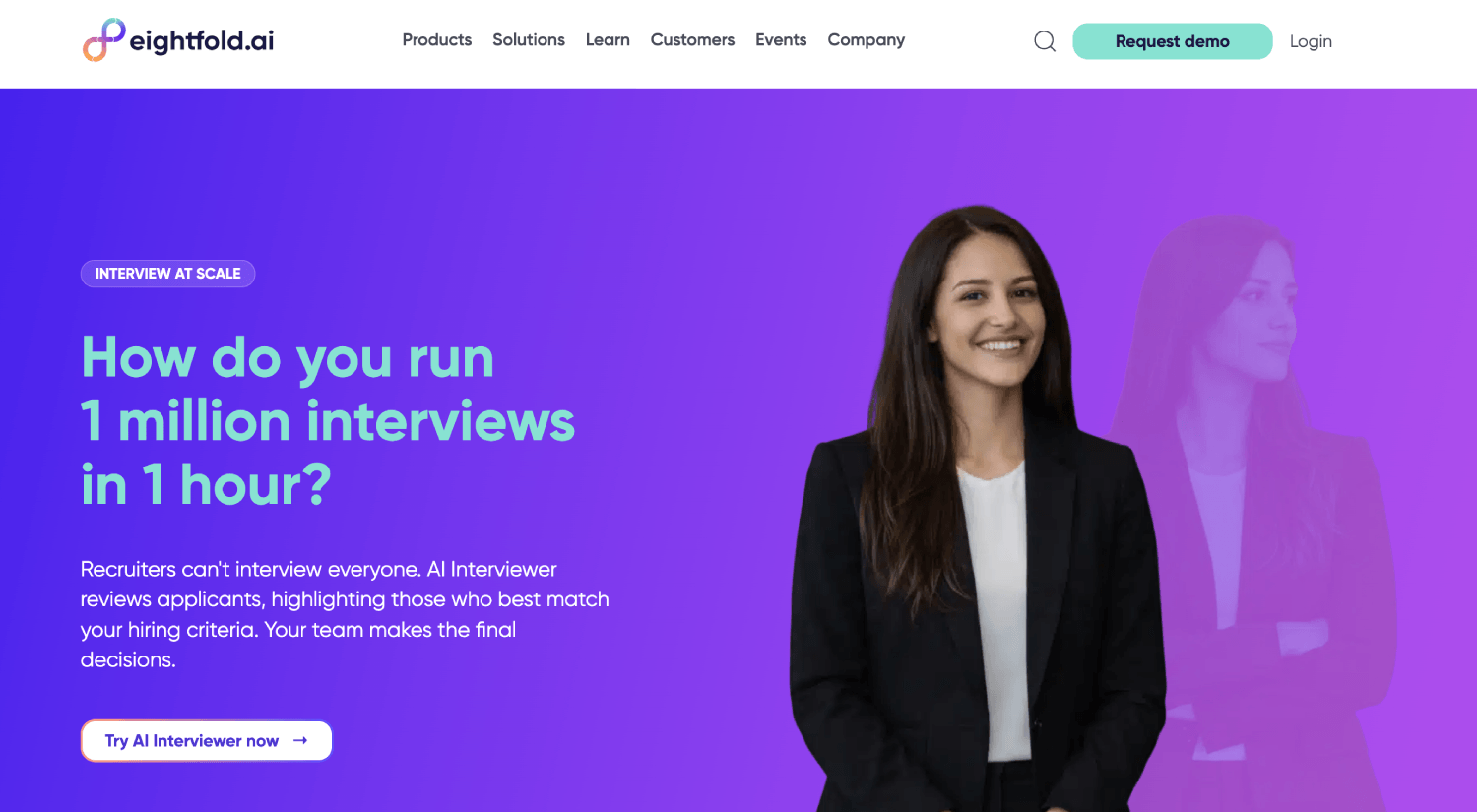
Eightfold AI operates at a different scale than most tools in this list. Its deep learning model is trained on hundreds of millions of career profiles and uses that foundation to infer skills, predict career trajectories, and match talent to opportunities across hiring, internal mobility, and workforce planning.
What sets Eightfold apart from Workera is breadth. It covers non-technical roles as well as technical ones, and it plugs into both recruiting workflows and internal talent management. The skills ontology is proprietary and not user-configurable in the way Degreed’s is, which matters if your organization has a custom skills taxonomy it has invested in building.
Eightfold does not do psychometric adaptive assessment. Its skills data is inferred and probabilistic, not measured. For organizations doing technical skills verification, that is a gap. For organizations that need skills intelligence to power recruiting decisions, workforce planning, and succession, Eightfold’s approach generates more signal across more roles. Pricing is quote-based. Eightfold is covered in more depth in our comparison of the best talent intelligence platforms.
4. Fuel50: Best Mid-Market Alternative for Career Pathing and Skills-Based Mobility
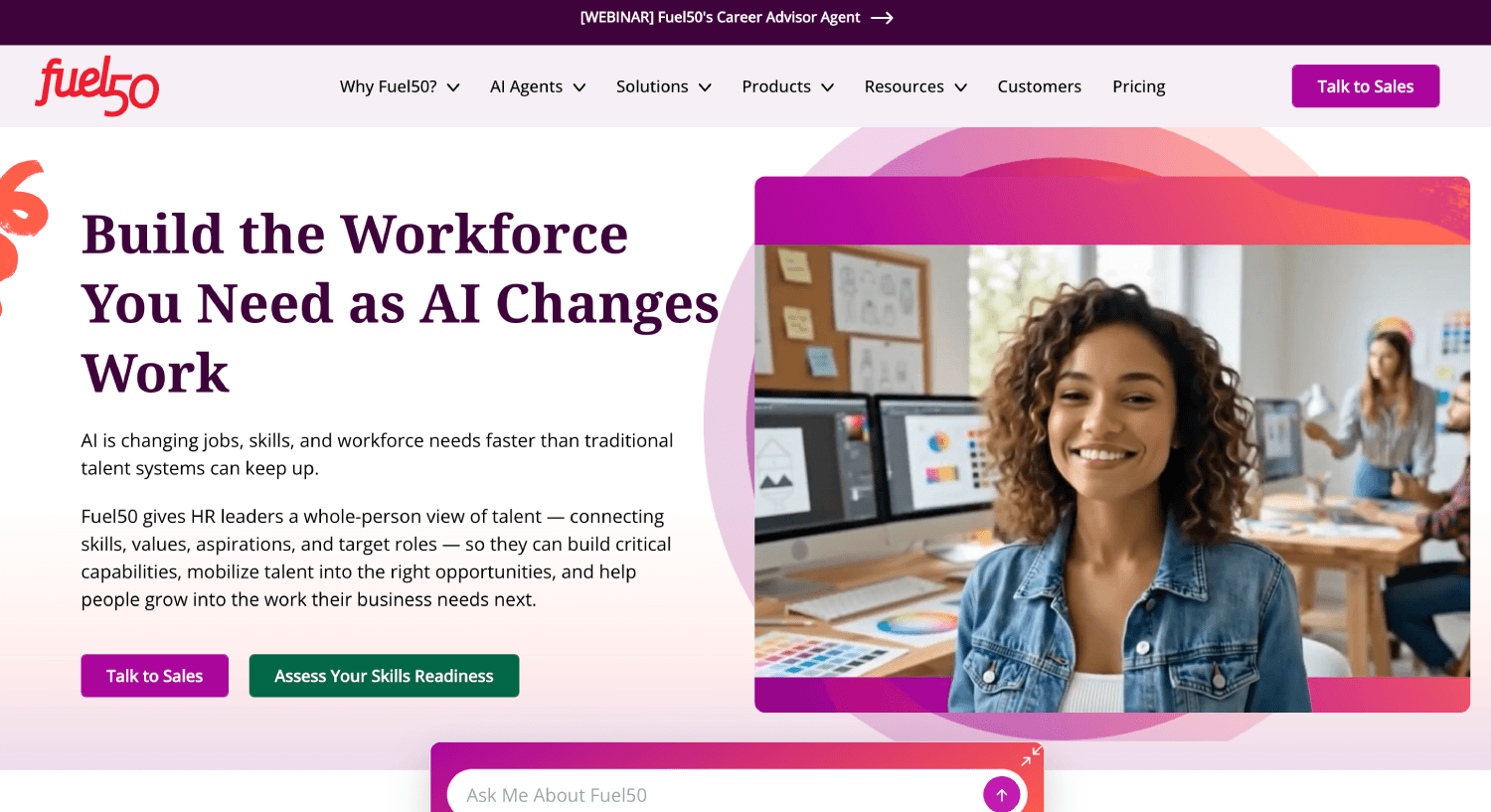
Fuel50 occupies the space between a full talent intelligence platform and a career development tool. It focuses on career pathing and internal mobility, using a configurable skills framework that organizations can map to their own job architecture.
The assessment layer is structured self-assessment with manager validation, not adaptive testing. That is appropriate for many mid-market organizations that do not need the rigor of Workera-grade verification but do need employees and managers to build a shared language around skills. Fuel50 ships with a pre-built skills ontology that covers a broad range of roles, which cuts implementation time for organizations starting from scratch.
Where Fuel50 is weaker than Workera is predictive analytics depth. Fuel50 is a career-pathing and engagement tool at its core. It is not going to tell you which skills your organization will need in 18 months based on market signals. If workforce planning is in scope, you will hit the ceiling. Pricing is quote-based.
5. TestGorilla: Best for Pre-Hire Skills Assessment at Scale
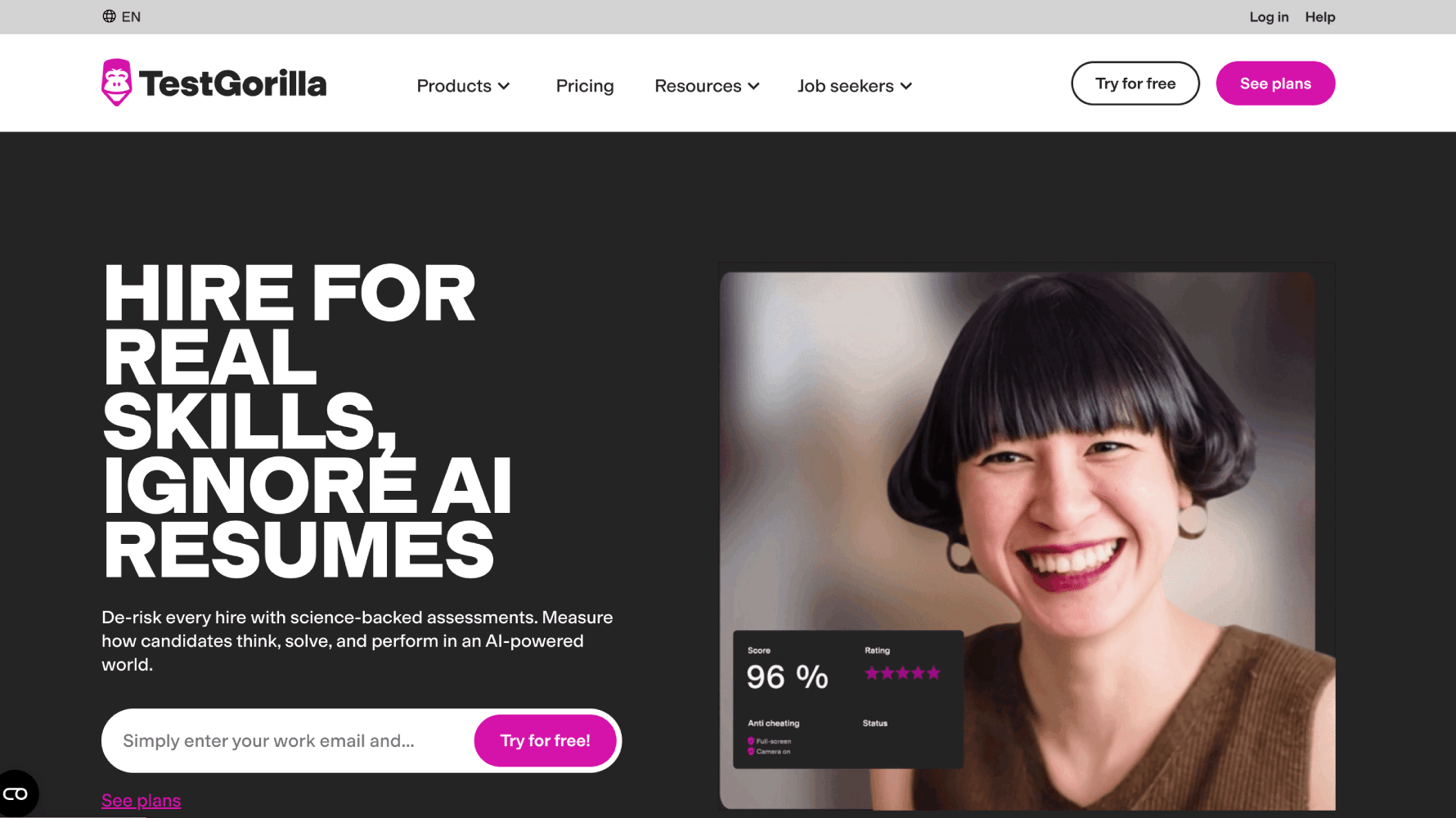
TestGorilla is purpose-built for hiring, not workforce development. If your need is replacing resume screening with verified skills scores at the top of the funnel, TestGorilla is a practical option. According to TestGorilla’s public pricing page, paid plans start at published per-user rates that are lower than most enterprise skills platforms, with enterprise pricing available on request.
The test library spans hundreds of roles including technical, cognitive, and behavioral assessments. TestGorilla does not have the adaptive depth of Workera’s technical assessments, and it does not generate a longitudinal skills intelligence profile. A candidate scores well on a test; that data does not flow into a skills map for workforce planning downstream.
For organizations that conflated “skills assessment” with “pre-hire screening” when they first started evaluating Workera, TestGorilla is often a better fit at lower cost. For organizations that actually need ongoing employee skills intelligence, it is the wrong category.
6. Cornerstone OnDemand: Best for Enterprise HCM Buyers Who Want Skills Baked Into a Larger Platform
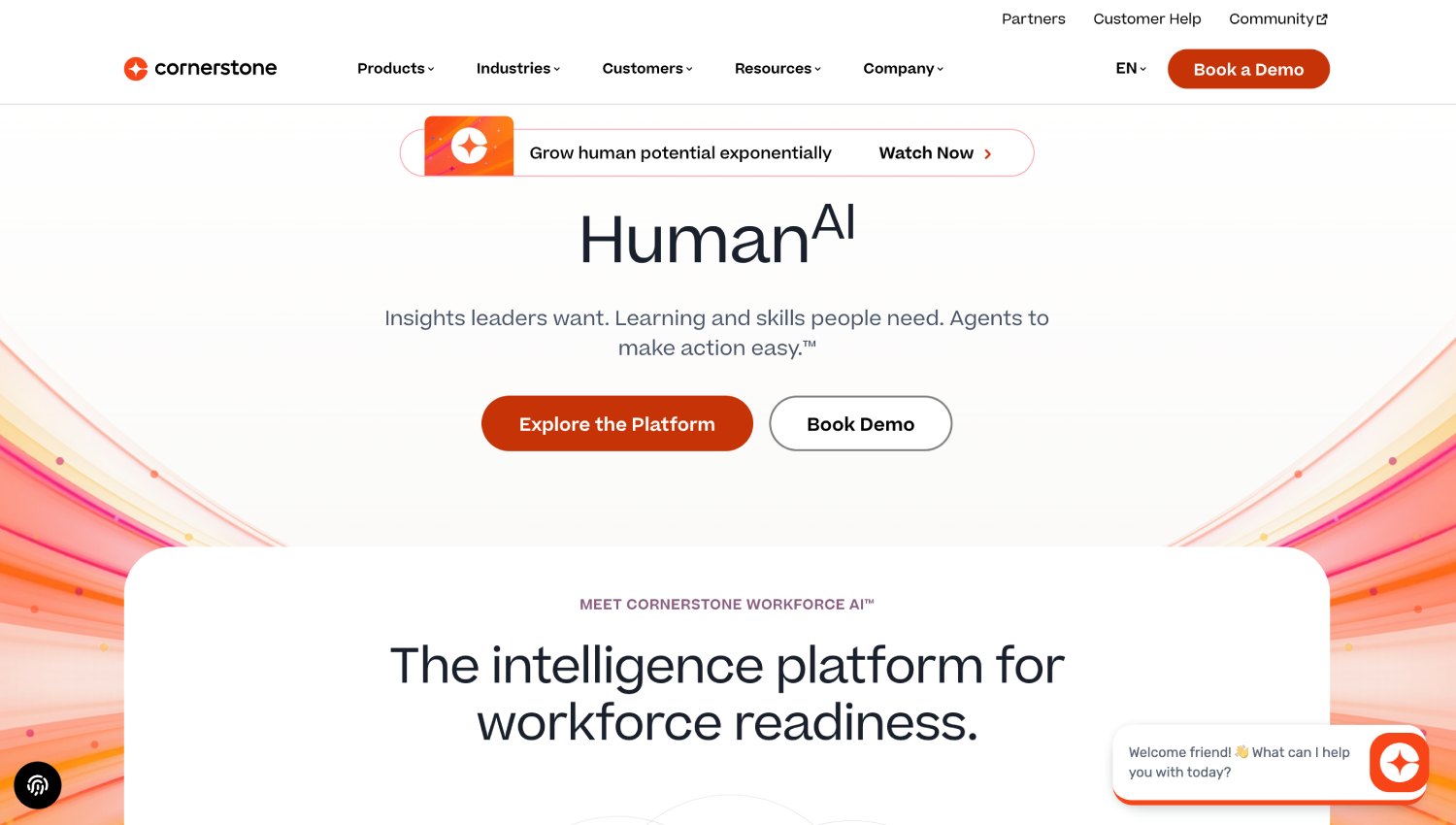
Cornerstone OnDemand added its Skills Graph as a foundational layer across its talent suite. The pitch is that skills data should not be a separate module but should connect learning, performance, recruiting, and succession in a single system.
For an organization already running Cornerstone as its LMS or HCM, the skills layer is worth evaluating seriously before adding a standalone tool like Workera. The integration cost is near zero. The Skills Graph covers a wide range of functions and is updated with labor market signals, giving it more breadth than Workera across non-technical roles.
The assessment rigor does not match Workera for deep technical domains. Cornerstone’s skills measurement relies heavily on learning completion and self-assessment. For an organization where the CHRO needs to tell the board “here is our verified capability in X technology,” Cornerstone’s evidence is weaker. For organizations that need a single platform answer across their whole workforce, Cornerstone is often the practical choice. Pricing is quote-based. This platform is covered in the skills intelligence software comparison.
7. 360Learning: Best If Skills Intelligence Is Secondary to Building a Learning Culture
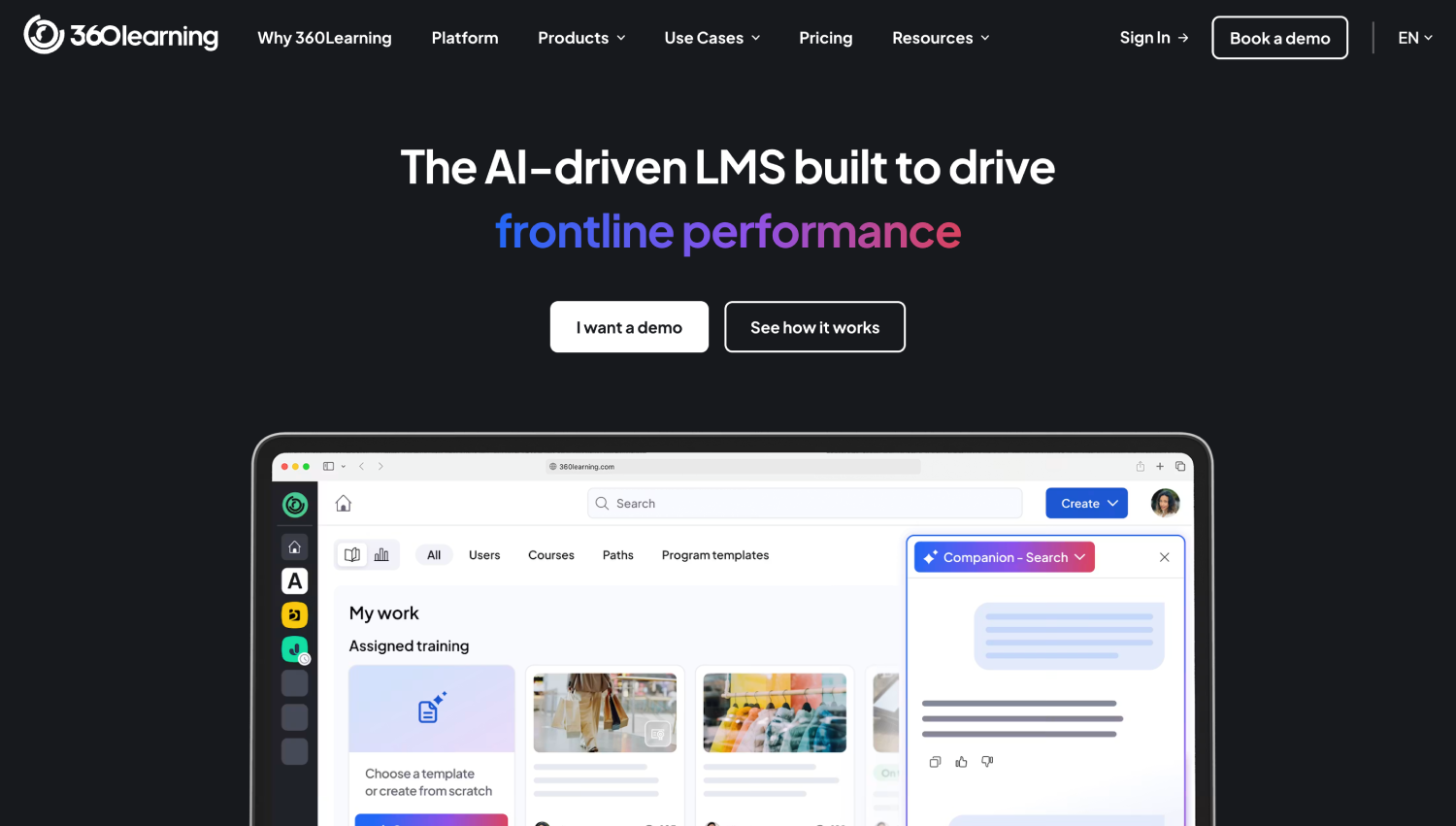
360Learning is a collaborative learning platform first. Its skills intelligence layer surfaces from learning activity, course completion, and peer-generated content rather than formal assessment. The platform’s differentiator is enabling subject matter experts inside your organization to build and share courses, which creates a feedback loop between skills gaps and content creation.
The case for 360Learning over Workera is simple: if your organization’s L&D team is the primary buyer and the goal is increasing learning engagement and connecting content to defined skill gaps, 360Learning’s workflow is more natively useful. Skills data in 360Learning flows naturally into learning path recommendations because the two systems are the same system.
The case against: 360Learning does not generate validated skills scores. An employee’s skills profile is a reflection of their learning activity, not an independent measurement of proficiency. For high-stakes decisions requiring verified capability, that is a material limitation. According to 360Learning’s public pricing page, pricing is listed on a per-user-per-month basis, with enterprise contracts available.
How Do These Workera Alternatives Compare on Skills Ontology Quality?
Skills ontology is the architecture beneath every platform’s skills data, and most buying teams underweight it. A skills ontology defines what skills exist, how they relate to each other, and how they map to roles. If a vendor’s ontology is thin, generic, or non-configurable, the intelligence layer built on top of it is limited regardless of how good the AI looks in a demo.
Workera’s ontology is deep but domain-specific, concentrated in AI, data science, and software engineering. Eightfold’s proprietary ontology is trained on large-scale labor market data and covers more ground, but you cannot modify it. Degreed and Fuel50 ship with configurable ontologies that organizations can adapt to their job architecture. Cornerstone’s Skills Graph is broad and connected to external labor market signals. 360Learning’s ontology depends heavily on what your team builds into it.
For organizations building a skills-based talent strategy from scratch, the question of build-versus-buy on ontology is worth examining before selecting any vendor. The guide on building a skills-based organization covers this decision in detail.
What Does This Category Cost and How Is Pricing Structured?
Pricing across skills intelligence and assessment platforms is almost entirely quote-based at the enterprise level. Workera does not publish pricing. Gloat, Eightfold, Fuel50, Degreed, and Cornerstone all price on enterprise contracts. TestGorilla is the most transparent, with published per-user pricing tiers on its website. 360Learning publishes a per-user-per-month starting price on its public pricing page.
The hidden cost in this category is implementation and ontology configuration. Platforms that require significant skills taxonomy work before going live, whether Degreed, Cornerstone, or Fuel50, carry a meaningful time cost that does not show up in the SaaS fee. Factor 3 to 6 months of configuration for any platform where you are building or mapping a skills ontology from scratch. The hidden costs of HR software breakdown applies directly here.
Which Workera Alternative Should You Actually Choose?
Choose Workera or keep evaluating it if you need verified adaptive assessment for technical roles specifically, you have a technical upskilling program already running, and your primary consumers of skills data are L&D or engineering leaders rather than HR generalists.
Choose Degreed if your L&D team is the primary buyer, you need to connect content from multiple providers to a skills framework, and you can accept inferred rather than verified skills scores for most decisions.
Choose Gloat or Eightfold if your priority is deploying internal talent more effectively or powering skills-informed recruiting and succession, not running formal skills assessments. Both are covered in more detail in the AI internal mobility platforms comparison.
Choose Cornerstone if you are already running Cornerstone as your LMS or HCM and need a single platform answer across learning, performance, and skills without managing multiple vendor integrations.
Choose TestGorilla if your problem is pre-hire screening and skills-based candidate selection, full stop. It is the right tool for that job and a materially less expensive one than any enterprise skills platform.
Choose 360Learning if the L&D team wants to build a learning culture where peers create content tied to defined skills gaps, and formal assessment rigor is not a buying requirement.
Frequently Asked Questions
What is Workera and what does it actually do?
Workera is a skills intelligence platform focused on technical roles, particularly in AI, data science, and software engineering. It uses adaptive assessments to measure employee and candidate proficiency at a more granular level than most skills platforms, then generates personalized learning plans based on those results. Its primary users are L&D teams and engineering organizations running structured technical upskilling programs. Workera does not cover non-technical roles as deeply and is not primarily a workforce planning or talent mobility tool.
How is skills intelligence different from a skills assessment platform?
Skills assessment is a point-in-time measurement: a person takes a test and receives a score. Skills intelligence is a broader category that tracks skills data over time, maps it to organizational needs and labor market trends, and feeds it into talent decisions like hiring, internal mobility, succession, and L&D planning. Workera sits closer to the assessment end. Eightfold and Gloat sit at the intelligence end. Degreed and Cornerstone try to cover both. Most buyers need both capabilities but often buy one without the other.
Can skills intelligence platforms replace traditional performance reviews for measuring capability?
Not directly. Skills platforms measure capability in specific competencies, which is different from what a performance review evaluates, which typically includes outcomes, behaviors, and organizational contributions. Skills data and performance data are complementary inputs. The most mature organizations use skills intelligence to identify capability gaps and feed development plans, while performance management captures whether someone is actually applying those skills effectively in their role. Conflating the two creates a skills score that substitutes for judgment rather than informing it.
What is a skills ontology and why does it matter when choosing a platform?
A skills ontology is the structured taxonomy that defines which skills exist, how they relate hierarchically and laterally, and how they map to roles and career paths. Every skills platform runs on one, whether proprietary, open-source, or customer-configured. The quality and breadth of the ontology determines whether the platform’s AI can make meaningful recommendations or just surface generic skill gaps. Vendors rarely lead with ontology quality in demos. Asking a vendor to walk you through how their ontology handles a specific role family in your organization will reveal more than any feature comparison.
Does Workera work for non-technical roles?
Workera’s strongest depth is in AI, machine learning, data science, and software engineering. Coverage for non-technical functions like HR, marketing, finance, and operations is substantially thinner. Organizations running enterprise-wide skills programs that include non-technical populations will find Workera’s scope limiting and typically need a second platform or a broader alternative like Degreed or Cornerstone to cover the full workforce.
How long does it take to implement a skills intelligence platform?
Implementation timelines vary widely depending on whether the vendor provides a pre-built ontology or requires the customer to build and map one. Platforms with pre-built role libraries and skills taxonomies can reach initial deployment in 6 to 12 weeks for a defined scope. Platforms that require a custom ontology build or significant HRIS integration work routinely take 4 to 6 months before generating useful data. The configuration phase, not the technical integration, is usually where timelines slip. Setting implementation scope boundaries before signing is more important than negotiating license price.
The Bottom Line
Workera’s reputation in technical skills measurement is earned. If you need verified, adaptive assessment scores for engineering and AI roles specifically, the competitive alternatives do not match its assessment rigor. The gap is real, and dismissing it because a broader platform has a larger feature list is a mistake.
The honest question for most buyers is whether assessment rigor is what they actually need, or whether they need skills data to drive talent decisions at scale across a diverse workforce. Those are different problems. The first points toward Workera or assessment-heavy alternatives. The second points toward Eightfold, Gloat, Degreed, or Cornerstone, depending on whether the primary use case is recruiting, internal mobility, or L&D.
The fastest path to a defensible shortlist is deciding which two of these three dimensions matter most to your organization: assessment depth, L&D integration, or talent deployment. No single platform in this category wins all three. Picking the platform that wins your top two and is adequate on the third is a better decision than picking the platform with the longest feature list and finding out after implementation that none of it connects to how your team actually works.