
TLDR
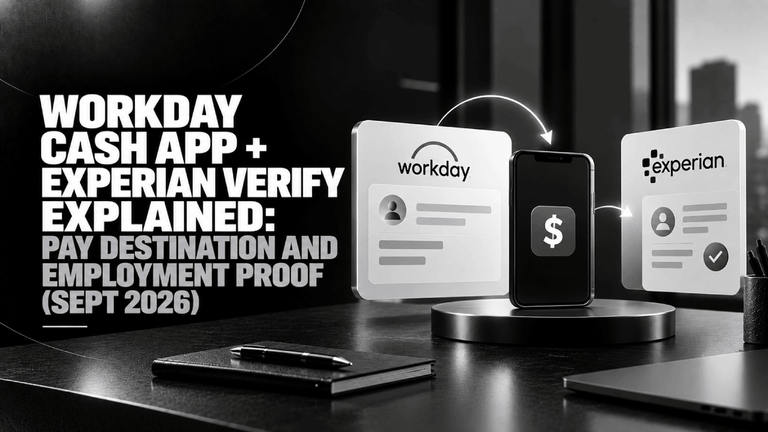
- On Sept. 22, 2026, Neeyamo announced Workday Payroll provided by Neeyamo, so Workday customers with employees in India can run India payroll from inside the Workday experience under a single Workday contract.
- The offer builds on Workday’s native payroll footprint and uses certified integration with Workday Global Payroll Connect (GPC), synchronized HR and payroll data, and localized statutory updates managed through Neeyamo Payroll.
- Customers who need end-to-end payroll operations can still engage Neeyamo separately for implementation and managed payroll services. Purchasing India payroll through Workday does not automatically equal a full managed-ops package.
- Why it matters for buyers: India hiring is rising for multinationals, but PF, TDS, and statutory calendars still break disconnected HCM-plus-local-bureau setups. This is a procurement and experience story, not a new AI chatbot SKU.
- Distinct from existing HrTechSaas Neeyamo listicles and from the hub’s Workday Gartner WFM Magic Quadrant draft. This is a dated partnership news explainer with buyer questions.
Neeyamo’s Sept. 22, 2026 PR Newswire release introduces Workday Payroll provided by Neeyamo. Workday customers with an India headcount can process India payroll from within Workday and buy it on one Workday contract instead of stitching a separate local payroll vendor deal onto an HCM stack.
That is useful for HrTechSaas readers because global payroll evaluations already treat Neeyamo as the long-tail and emerging-market specialist under enterprise HCM (see the site’s CloudPay vs Papaya Global vs Neeyamo comparison). This announcement is not another country-count claim. It is a commercial packaging move that puts India payroll into the Workday buying and user experience.
This piece covers what was announced, what GPC and single-contract really mean, how it differs from EOR-for-India paths, and what CHRO/CFO buyers should verify before treating the release as go-live ready.
What Neeyamo and Workday announced
Per the Sept. 22 PR Newswire release:
- Product name: Workday Payroll provided by Neeyamo.
- Who it is for: Workday customers with employees in India who want India payroll inside the Workday experience.
- Commercial model: Available through a single Workday contract (procurement stays with Workday).
- Integration: Certified integration with Workday Global Payroll Connect (GPC); synchronized HR and payroll data.
- Compliance layer: Localized statutory updates and payroll compliance support managed through Neeyamo Payroll.
- Optional ops: Customers needing end-to-end payroll operations can engage Neeyamo separately for implementation and managed payroll services.
Neeyamo CEO Rangarajan Seshadri said: “Organizations expanding into India need payroll that combines local regulatory expertise with the simplicity of a unified enterprise platform. Workday Payroll provided by Neeyamo brings together the Workday Human Capital Management (HCM) platform and Neeyamo’s India payroll technology to help customers manage compliant payroll without adding operational complexity.”
Sunil Jose, President, Workday India, said: “India continues to be a strategic market for many multinational organizations, making localized payroll capabilities increasingly important. Organizations operating in India require payroll capabilities that meet local regulatory requirements while remaining connected to their global HR strategy. Workday Payroll provided by Neeyamo expands the choice available to our customers, enabling them to manage India payroll through a unified Workday experience while leveraging trusted local payroll expertise.”
Pete A. Tiliakos, Principal Analyst at Payroll Influences, framed it as reducing complexity for global scale rather than as a feature checklist.
Why India payroll inside Workday is a buying moment
India is a strategic growth market for many multinationals, but India payroll is not a “turn on a module” problem for most HCM stacks. Statutory rules (PF, TDS, professional tax by state, leave encashment, Form 16 cycles) and pay calendars change often enough that a disconnected local bureau plus Workday HCM creates reconciliation debt for HR and finance every cycle.
Workday already sells native payroll in selected markets and uses Global Payroll Connect for partner or specialized country engines. Neeyamo’s release says this India offer extends that model: buy through Workday, keep the employee in the HCM system of record, and let Neeyamo’s India payroll technology carry local calculation and statutory updates behind GPC.
For operators, the durable questions are about data ownership, cutover, and who owns filing errors, not about whether the press release names India. A single Workday contract can simplify procurement. It does not by itself prove that your first India pay run will post clean journals into Finance or that state-level tax configs are complete on day one.
What “single Workday contract” and GPC actually change
| Buyer concern | What the announcement claims | What to verify in RFP / SOW |
|---|---|---|
| Procurement | India payroll purchased through one Workday contract | Line items, renewal terms, who invoices for Neeyamo managed services if you add them |
| User experience | Process India payroll from within the Workday experience | Which Workday UIs admins use for India runs, exceptions, and employee pay questions |
| Integration | Certified Workday Global Payroll Connect (GPC) integration | Object map (hires, terms, transfers, pay components), latency, failure alerts |
| Compliance | Localized statutory updates via Neeyamo Payroll | SLA for mid-cycle statutory changes; who files and who is liable for late filings |
| Operations | Optional separate Neeyamo implementation / managed payroll | Whether you need managed ops for India headcount size, multi-entity, or complex allowances |
Neeyamo’s About section in the same release describes an AI-enabled unified payroll platform covering 160+ countries with payroll, time, absence, and compliance, plus HCM ecosystem integrations. Treat “AI-enabled” as platform marketing unless your demo shows concrete India anomaly detection, readiness checks, or exception workflows you can audit.
How this differs from EOR and from existing site pages
If you do not have an Indian entity, you still need an employer-of-record path, not payroll-only processing. The site’s 6 Best EOR Platforms for Hiring in India covers that job. Workday Payroll provided by Neeyamo assumes you can (or will) run payroll for workers employed through a structure that supports local statutory payroll, typically an entity or an arrangement Workday and Neeyamo support in the contract.
Existing HrTechSaas pages already help buyers compare Neeyamo as a global payroll vendor:
- CloudPay vs Papaya Global vs Neeyamo
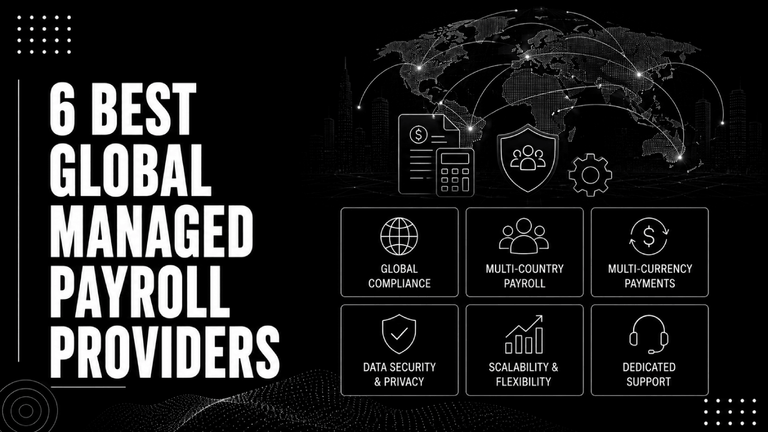
- 6 Best Global Managed Payroll Providers
- HR System Integration guide
Those pages are listicles and architecture explainers. This draft is different:
- Dated news explainer on Workday Payroll provided by Neeyamo (Sept. 22, 2026)
- Focus on India, single Workday contract, and GPC
- Not a multi-vendor global payroll shortlist and not an India EOR roundup
Do not merge this into the Neeyamo comparison URL or the India EOR URL. Different intent, different publish job.
It is also distinct from the hub’s Workday Gartner WFM Magic Quadrant draft (analyst ranking plus Sana/agent metrics) and from UKG, ADP AWS, Workable, and Rippling AI Lab hub drafts. Those cover other products or other Workday moments. This one is the India payroll packaging news.
Who should care, and what to ask
Prioritize a read-out if you:
- Already run Workday HCM and are hiring or expanding headcount in India
- Want India payroll on the same commercial and UX path as other Workday payroll countries
- Are tired of dual vendor management (Workday plus a standalone India bureau) and reconciliation between HR and pay files
- Are evaluating Neeyamo under Workday or SAP SuccessFactors and need a current commercial signal for India specifically
Ask Workday and Neeyamo (and your tax counsel):
- Which India legal entities, pay groups, and worker types are supported at GA versus roadmap?
- Exactly which pay components, allowances, and statutory deductions are configured in the GPC map for your industry?
- Who owns statutory filing liability in the MSA when a PF or TDS error hits: Workday, Neeyamo, or you?
- What is the cutover plan from your current India bureau (parallel runs, bank file formats, Form 16 history)?
- Does “single Workday contract” include Neeyamo managed services, or is that a second SOW?
- How are mid-cycle statutory updates pushed, tested, and communicated before the next pay date?
- What audit trail exists for HR-to-payroll sync failures and exception resolution?
- How does this interact with India contractor or EOR populations you may still run outside Workday Payroll?
The take: packaging beats another AI demo if India is in your footprint
The Sept. 22 announcement is concrete commercial news: India payroll branded as Workday Payroll provided by Neeyamo, sold on a Workday contract, integrated through GPC, with Neeyamo carrying local statutory machinery.
For operators, that is more actionable than another generic “AI in payroll” blog from a vendor. Procurement simplicity and a unified Workday experience can cut vendor sprawl. The risk that remains is operational: India statutory accuracy, entity readiness, GL posting, and clarity on whether you still need Neeyamo’s managed payroll layer.
If you already live in Workday and India headcount is growing, use this release to open a scoped discovery with Workday India and Neeyamo on GPC object maps, liability language, and a two-cycle parallel run. If you are still choosing among global payroll engines for a multi-country program, keep this as an India-specific packaging data point and still run the native-versus-partner coverage questions in the CloudPay / Papaya / Neeyamo comparison rather than treating one-country packaging as a global shortlist win.
FAQ
When was Workday Payroll provided by Neeyamo announced?
Neeyamo’s PR Newswire release is dated Sept. 22, 2026.
What does the offering do?
It lets Workday customers with employees in India process India payroll from within the Workday experience and purchase it through a single Workday contract, with Neeyamo providing localized payroll technology and statutory support behind Workday Global Payroll Connect.
Is this the same as hiring in India through an EOR?
No. EOR solves “we do not have an Indian entity.” This announcement is about payroll processing and experience for Workday customers who need compliant India payroll connected to Workday HCM. Use an EOR evaluation if you lack an entity.
What is Workday Global Payroll Connect (GPC)?
GPC is Workday’s framework for connecting Workday HCM to payroll engines (native or partner) so HR and payroll data stay synchronized. The release states this India offer uses certified GPC integration.
Do I still need Neeyamo managed services?
Possibly. The release separates purchase of India payroll through Workday from optional separate engagement of Neeyamo for implementation and managed payroll operations. Ask which package matches your India headcount and complexity.
How is this different from existing Neeyamo articles on HrTechSaas?
Comparison and provider listicles help you shortlist global payroll vendors. This draft explains one current news event: India payroll packaged inside the Workday contract and experience.
Does Neeyamo still matter outside Workday?
Yes. Neeyamo continues to position as a global payroll technology provider across 160+ countries and as an engine under major HCM stacks. This announcement is an India-plus-Workday packaging expansion, not a claim that Neeyamo only works with Workday.