
- Most mid-market employers let their benefits broker pick the FSA or HSA administrator by default. That choice carries real cost consequences in per-participant fees, claims substantiation speed, and payroll sync quality.
- FSA third-party administrators charge typically several dollars per enrolled participant per month, and what you get at each price point differs significantly.
- Debit card claims handling and auto-substantiation rates determine how many paper receipts your employees chase. This is often the biggest source of employee complaints.
- HSA administration now splits into bank-custodian models and investment-first models. Mid-market employers rarely ask which one they are buying.
- The right FSA or HSA administrator for a 300-person company is rarely the right choice for a 1,500-person company. Fee structures and integration depth change the math at scale.
The best FSA and HSA administrators for mid-market employers are Businessolver, Flores, Navia, WEX Health, HealthEquity, Fidelity, HSA Bank, Further, Tasc, and Ameriflex. Each differs on per-participant fees, debit card auto-substantiation, payroll integrations, and whether the HSA account earns meaningful interest or investment returns. Choosing deliberately based on your headcount, payroll platform, and plan mix saves real money and reduces employee support tickets.
Why Should Mid-Market Employers Care Who Administers Their FSA or HSA?
Your benefits broker earns no commission on TPA selection. Their default recommendation is usually whoever is easiest for them to implement, not whoever is best for your employees or your finance team. The administrator you inherit charges you monthly per participant, handles IRS substantiation on every debit card swipe, and either connects cleanly to your payroll system or requires a weekly export-import dance that your HR team does manually.
To illustrate the stakes: at 500 employees with a 60% FSA participation rate, a $2 difference in monthly per-participant fees works out to $7,200 per year (500 × 0.60 × $2 × 12). That is before you count the HR time spent resolving denied claims, answering employee questions about unsubstantiated transactions, or reconciling payroll files that did not map correctly. The administrator choice is a financial and operational decision, not a checkbox.
What Is the Difference Between an FSA, HSA, and LSA?
These three account types are frequently confused, and the confusion matters for buyers because each requires different administration.
A Flexible Spending Account (FSA) is employer-sponsored, IRS-regulated, and funded with pre-tax dollars. Employees must use the money within the plan year (with a small grace period or rollover option). The employer bears the float risk because the full election is available on day one. Administration is required through a third-party administrator.
A Health Savings Account (HSA) is employee-owned, requires a qualifying High Deductible Health Plan (HDHP), and has no use-it-or-lose-it rule. The account stays with the employee if they leave. HSA administration involves a bank custodian, which means regulatory requirements are different and more complex than FSA administration.
A Lifestyle Spending Account (LSA) is employer-funded, not IRS-regulated, and fully taxable to the employee. Employers define what it covers. LSAs require administration but are not subject to FSA or HSA rules. Some TPAs handle all three; many only handle FSA and HSA.
What Are the Core Criteria for Evaluating FSA and HSA Administrators?
Before comparing vendors, agree on your evaluation criteria. The five that matter most for mid-market employers are listed below.
| Criterion | Why It Matters | What to Ask the Vendor |
|---|---|---|
| Per-participant fee structure | Determines total TPA cost at your headcount | Is the fee per enrolled participant or per eligible employee? Is there a minimum monthly fee? |
| Debit card auto-substantiation rate | Drives employee satisfaction and HR ticket volume | What percentage of card swipes are auto-substantiated without a receipt? |
| Payroll integration | Determines whether file feeds are real-time or manual | Do you have a native integration with our HRIS/payroll platform? What is the data format? |
| HSA investment options | Affects employee retention of HSA assets long-term | What is the investment threshold? What funds are available? Is there a separate investment account fee? |
| Customer support model | Determines who resolves employee escalations | Is employee support in-house or outsourced? What are the SLAs? |
The 10 Best FSA and HSA Administrators for Mid-Market Employers
1. Businessolver
Businessolver is primarily a benefits administration platform, and its FSA and HSA administration is built into that core platform rather than bolted on. For mid-market employers already using Businessolver for benefits enrollment, adding spending account administration eliminates a separate vendor and a separate file feed entirely.
The platform’s ALEX benefits decision support tool integrates directly with spending account enrollment, which means employees who are on the fence about choosing an HDHP plus HSA get guided recommendations at the moment of decision. This reduces the HR burden of explaining HSA mechanics during open enrollment. Pricing is quote-based and typically bundled with the broader benefits administration contract.
The trade-off: if you are not already on Businessolver for benefits administration, buying the spending accounts module alone is rarely the most cost-effective path. This is a strong choice for employers buying a full benefits platform, not a standalone TPA.
2. Flores Financial Services

Flores is a dedicated FSA and HSA TPA with a reputation for attentive employer service at the 200 to 2,000 employee range. Unlike the larger TPAs that run high-volume, lower-touch models, Flores assigns dedicated account managers. For HR teams that have had bad experiences with being handed off to call centers, that is a meaningful differentiator.
Flores handles FSAs, HSAs, HRAs, dependent care FSAs, and commuter benefits. Their debit card platform uses IIAS (Inventory Information Approval System) auto-substantiation at qualifying merchants, which covers the majority of pharmacy and medical retail transactions automatically. Manual substantiation requests are handled through their participant portal.
The limitation is scale. Very large employers often find that Flores’s pricing does not come with the enterprise-grade integrations and SFTP automation that a 5,000-employee company needs from its payroll system. For 200 to 1,000 employees, they are worth a serious look.
3. Navia Benefit Solutions
Navia covers the full spectrum of pre-tax accounts including FSA, HSA, HRA, COBRA, and commuter benefits, and has built a specific reputation in the Pacific Northwest and growing nationally. Their participant app gets consistently strong reviews for ease of use, which matters because employee self-service reduces HR tickets.
Navia’s debit card is linked to their real-time eligibility system, and they publish auto-substantiation rates that are competitive with larger TPAs. Their employer portal gives HR teams direct visibility into participation rates, contribution balances, and unsubstantiated transactions without requiring a call to support.
Pricing is not publicly disclosed, but Navia is generally competitive in the mid-market range. They are particularly strong for employers who also need COBRA administration, since they handle both under a single contract and a single participant portal, which reduces employee confusion during qualifying events.
4. WEX Health
WEX Health is one of the largest FSA and HSA administration platforms in the US by number of participants served. They power the back-end infrastructure for a significant number of regional TPAs and insurance carriers that white-label their technology. If you have used an FSA debit card in the last five years, there is a reasonable chance WEX processed the transaction.
For mid-market employers, WEX Health is most relevant when your broker or HRIS platform already has a WEX relationship built in. They have native integrations with a wide range of payroll and HR systems, which means cleaner file feeds than most standalone TPAs can offer. Their auto-substantiation system is mature and covers a broad merchant network.
The downside is that WEX Health at the employer level is often experienced through a reseller or broker, not directly. Direct employer contracts are available but typically require higher participant minimums to get dedicated support rather than a shared service model. For employers over 500 employees, direct contracting is worth pursuing.
5. HealthEquity
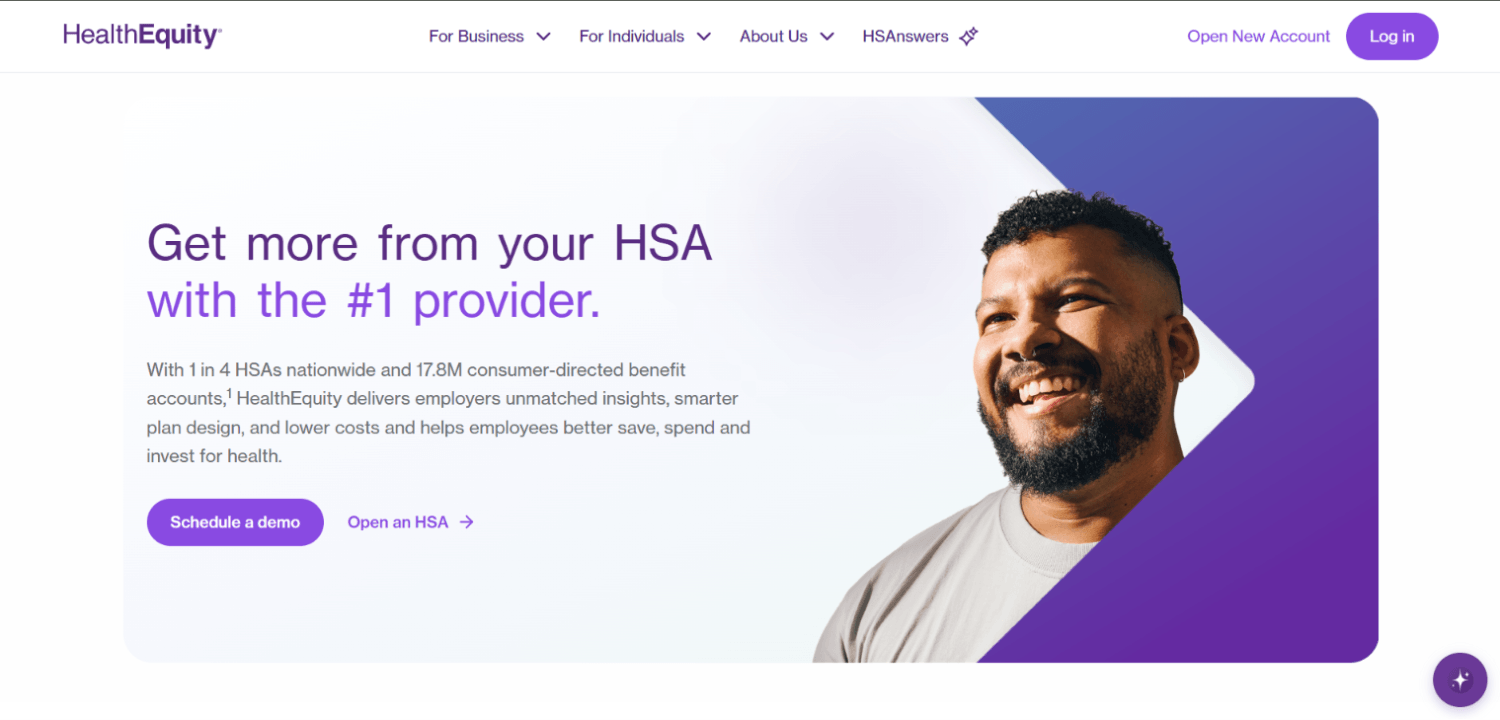
HealthEquity is the largest dedicated HSA administrator in the US by assets under custody, and they are the right choice when HSA investment quality is the primary criterion. Their HSA investment lineup includes low-cost index funds with no investment threshold on newer accounts, which is a meaningful advantage over banks that require a $1,000 or $2,000 cash balance before any funds can be invested.
HealthEquity also administers FSAs, HRAs, and commuter benefits, so mid-market employers can consolidate spending account administration under one vendor. Their integrations with major payroll platforms including ADP, Paychex, UKG, and Workday are documented and pre-built, which significantly reduces implementation time.
The criticism leveled at HealthEquity most often is customer support quality, particularly for employees calling with claims questions. Support is in-house but volume is high. Employers who prioritize white-glove service may find the experience inconsistent. For employers who prioritize HSA investment options and payroll integration depth, HealthEquity is the benchmark.
6. Fidelity Health

Fidelity entered the HSA administration market and has made a specific bet: no fees on HSA accounts for employees and no minimum balance required to invest. According to Fidelity’s HSA employer page, their HSA charges no monthly maintenance fee, no investment fee, and no transfer fee for employees. That is a structural advantage over most competitors where account fees quietly erode small balances.
Fidelity’s investment platform is the reason to choose them. Employees get access to Fidelity’s full brokerage options, including index funds with some of the lowest expense ratios available anywhere. For employers running financial wellness programs or competing for employees who take their HSA seriously as a retirement savings tool, Fidelity’s positioning is compelling.
The limitation is FSA administration. Fidelity’s FSA offering is less mature than their HSA product, and for employers who need a single vendor for both FSA and HSA with strong FSA claims handling, HealthEquity or WEX Health typically outperforms. Fidelity is the right answer when HSA is the priority and employees have the financial sophistication to use it.
7. HSA Bank
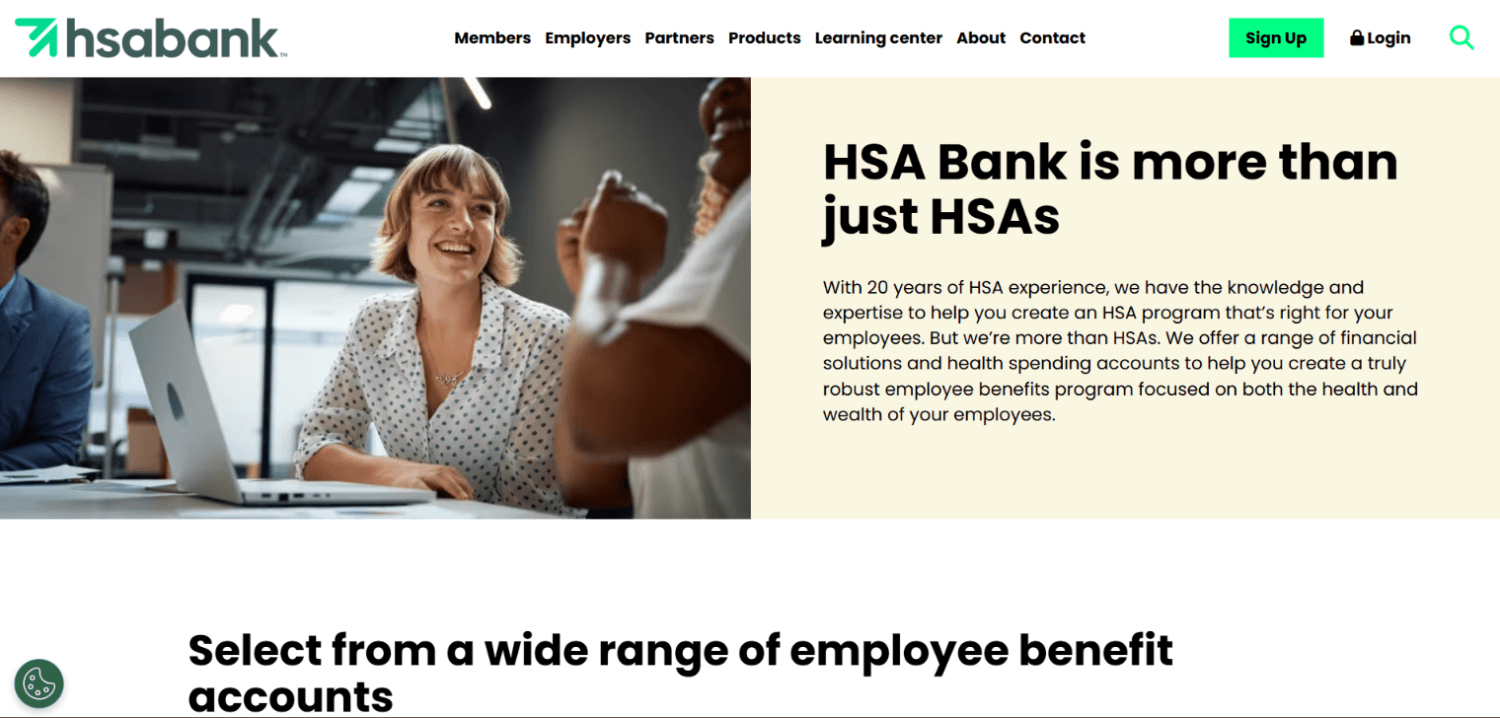
HSA Bank is a division of Webster Bank and one of the oldest dedicated HSA custodians. Their core strength is breadth of integration. According to their employer resources, they maintain pre-built connections with over 140 payroll and benefits administration platforms, which is meaningful for mid-market employers using less common HRIS tools that other TPAs do not support natively.
HSA Bank’s investment platform requires a $1,000 cash threshold before funds can be moved to investments, per their current product documentation. That is a common model but a meaningful disadvantage compared to Fidelity’s zero-threshold approach. Their mutual fund lineup is adequate but not among the strongest available. Monthly account fees apply to employees unless the employer subsidizes them, which is a negotiation point worth having during contracting.
For employers whose primary concern is integration breadth and stability from a regulated bank custodian, HSA Bank is a safe, well-established choice. For employers prioritizing investment quality, look at Fidelity or HealthEquity first.
8. Further (now part of HealthEquity)

Further was acquired by HealthEquity in 2021 but continues to operate as a distinct brand and platform. They handle FSA, HSA, HRA, commuter, and COBRA under a single participant portal, and their employer-facing tools are known for clean reporting and straightforward reconciliation.
The practical question for new buyers is whether to contract with Further directly or with HealthEquity. HealthEquity has been migrating Further accounts to its platform over time, so buyers contracting today through the Further brand should clarify which technology platform they will actually be on and what the migration timeline looks like. That is not a disqualifier, but it is a question worth asking before signing a multi-year contract.
Further remains a strong option for employers who want consolidated spending account and COBRA administration with a single point of contact.
9. Tasc (Total Administrative Services Corporation)
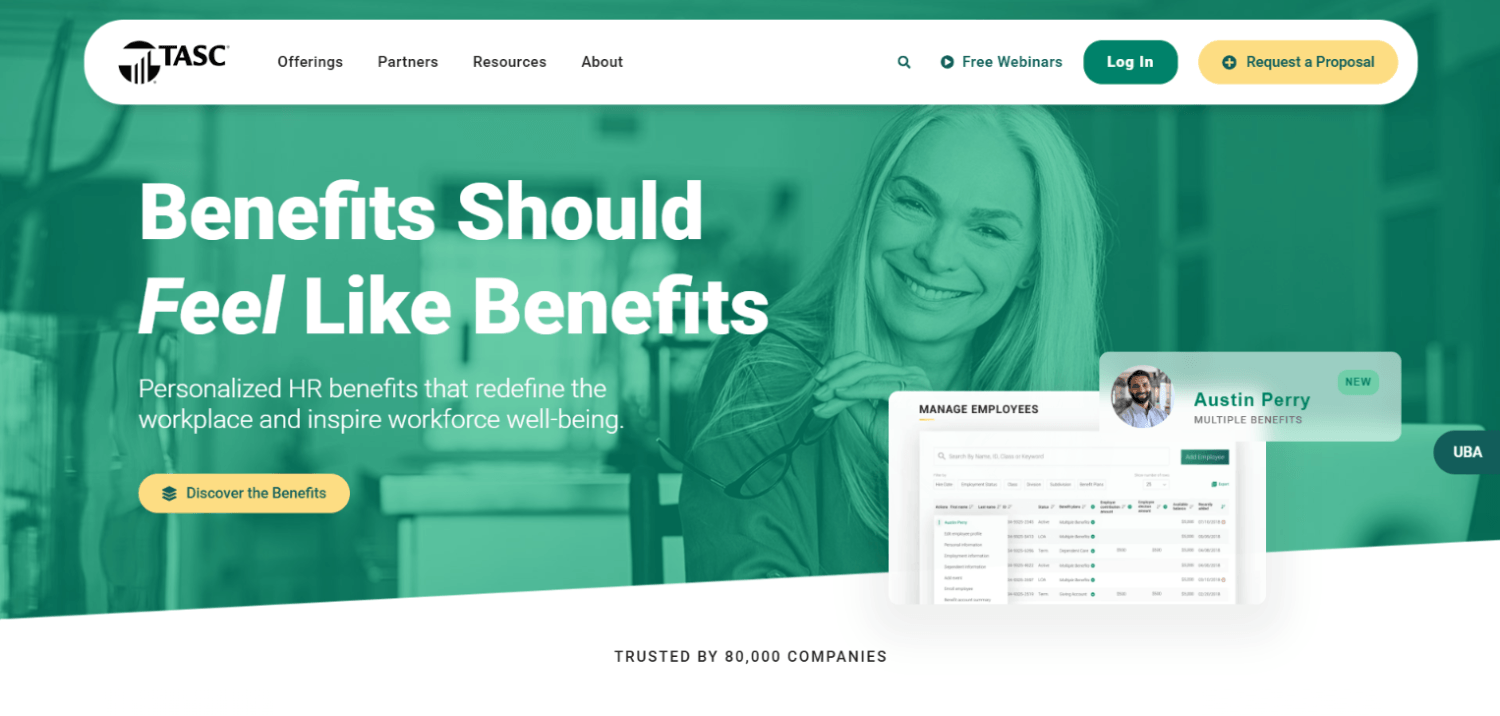
Tasc is a Wisconsin-based TPA with a broad product set that covers FSA, HSA, HRA, commuter, and Section 132 benefits. Their Universal Benefit Account is a single account that can flex across benefit types based on employer configuration, which appeals to employers who want to simplify participant experience rather than managing four separate debit cards.
Tasc has made investments in their mobile app and self-service portal, and their employer reporting dashboard gives HR teams real-time visibility into account activity and compliance. They also handle COBRA administration, which reduces the number of vendors an HR team manages during terminations and qualifying events.
Pricing is quote-based and varies by plan complexity. Tasc is a particularly good fit for mid-market employers who want a configurable, consolidated account model rather than separate FSA and HSA products from different vendors.
10. Ameriflex
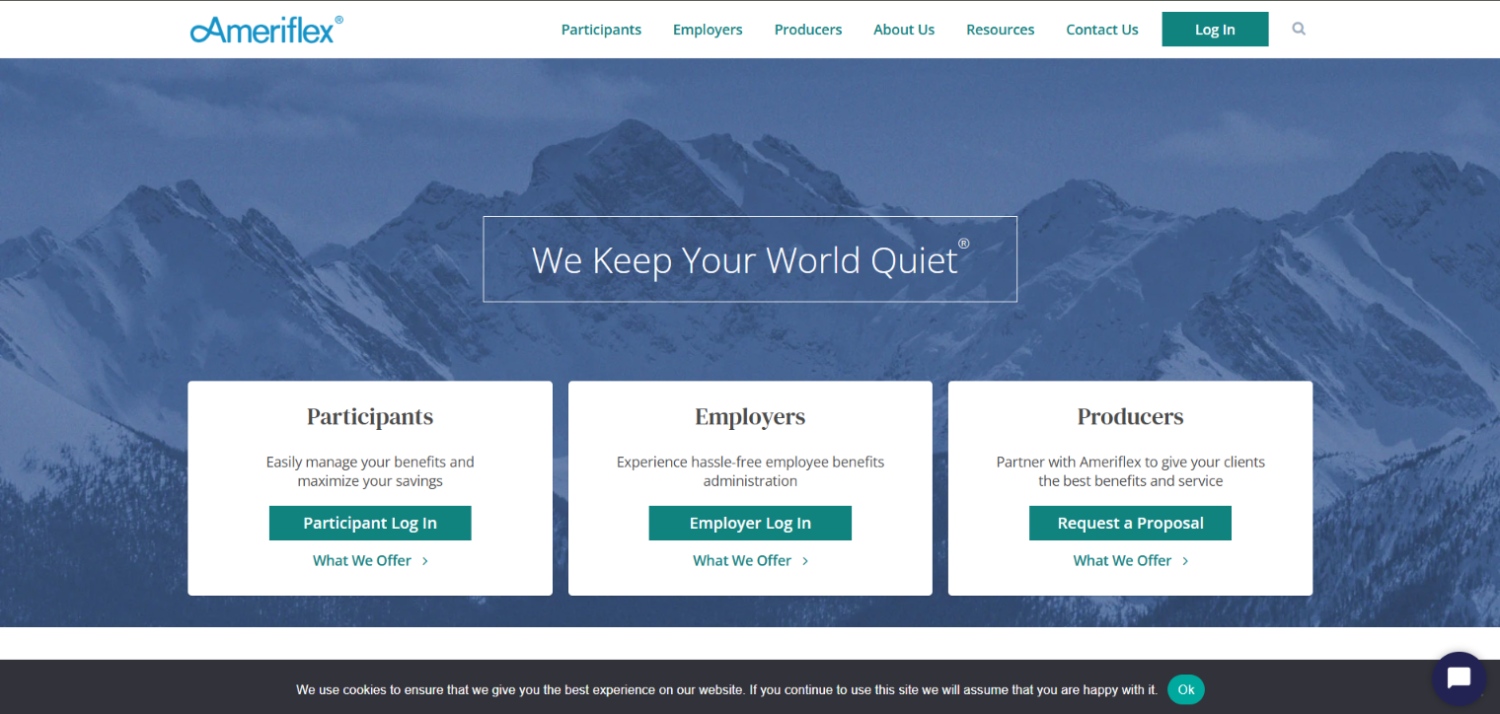
Ameriflex is a dedicated FSA TPA with a pricing model that is straightforward relative to the market. They publish base pricing tiers on their site, which is notable because most competitors require a sales conversation to get any number at all. Their FSA administration includes a debit card, participant portal, and employer reporting at no additional fee above the base per-participant rate.
Ameriflex’s claims substantiation system covers IIAS-enabled merchants for auto-substantiation and uses their Receipt Manager tool for manual submission. Their employer implementation timeline is typically faster than larger platform TPAs because there is less configuration complexity. For employers who need FSA administration stood up quickly with predictable fees, Ameriflex is worth a direct conversation.
Their HSA product exists but is not their primary strength. Employers prioritizing HSA investment quality should look elsewhere. For FSA-first employers who want transparent pricing and fast implementation, Ameriflex earns consideration.
How Do FSA and HSA Administrator Fees Actually Compare?
Fee structures across FSA TPAs and HSA administrators vary in ways that make direct comparison harder than it looks. Most vendors charge per enrolled participant per month, but some charge per eligible employee regardless of enrollment, some have monthly minimums that hit small employers disproportionately, and some add separate fees for debit cards, investment accounts, and COBRA coordination.
| Administrator | Best For | FSA Admin | HSA Admin | Public Pricing |
|---|---|---|---|---|
| Businessolver | Benefits platform buyers | Yes | Yes | Quote only |
| Flores | 200-1,000 employees, service focus | Yes | Yes | Quote only |
| Navia | FSA + COBRA consolidation | Yes | Yes | Quote only |
| WEX Health | Integration depth, 500+ employees | Yes | Yes | Quote only |
| HealthEquity | HSA investment quality, payroll sync | Yes | Yes | Quote only |
| Fidelity | HSA as retirement savings vehicle | Limited | Yes (no employee fees) | Partial (HSA fees disclosed) |
| HSA Bank | Integration breadth, bank custodian | Limited | Yes | Quote only |
| Further | FSA + HSA + COBRA consolidation | Yes | Yes | Quote only |
| Tasc | Flexible, consolidated account model | Yes | Yes | Quote only |
| Ameriflex | FSA-first, fast setup, transparent pricing | Yes | Limited | Partial (base tiers listed) |
When requesting quotes, ask each vendor to itemize every fee: per-participant monthly fee, debit card issuance fee, runout and grace period administration fee, COBRA coordination fee, and any investment account fee. Then model the total annual cost at your actual participation rate, not headcount. The vendor with the lowest per-participant rate does not always produce the lowest total cost.
Which FSA and HSA Administrators Integrate With Major Payroll Platforms?
Payroll integration is where administrators either save your HR team hours per week or cost them. A clean integration means contribution elections from open enrollment flow directly to payroll deductions without manual entry, and mid-year changes update automatically. A broken or absent integration means someone is exporting a spreadsheet every pay period and hoping it maps correctly.
HealthEquity maintains documented integrations with ADP, Paychex, UKG, Rippling, Workday, and several others. HSA Bank claims over 140 platform connections. WEX Health’s scale means most major payroll vendors have some form of connection. Ameriflex and Flores support common file formats but typically require more configuration work for HRIS platforms outside the top five.
If your company runs payroll on Rippling or a newer platform, confirm the specific integration method before signing. “Integration” can mean anything from a real-time API to a weekly SFTP file drop. The distinction matters for reconciliation accuracy. Our guide to best benefits administration software for mid-market companies covers how benefits platforms and TPAs connect in more detail.
What Should Mid-Market Employers Know About HSA Investment Quality?
Most employees leave HSA balances sitting in a cash account earning minimal interest because the investment threshold is too high or the investment interface is too confusing. This is partially a TPA problem. Administrators who require a $2,000 cash balance before allowing any investment effectively guarantee that most participants with low balances never invest at all.
Fidelity’s zero-threshold, zero-fee model is the structural outlier here. HealthEquity has moved toward lower thresholds on newer accounts. HSA Bank uses a $1,000 cash threshold before funds can move to investments, per their current product documentation , a detail worth verifying at contracting since product terms can change. If you are running financial wellness programs or actively promoting the HSA as a long-term savings vehicle, the investment threshold is a detail that will directly affect employee outcomes.
For HR leaders thinking about total rewards strategy, the connection between HSA quality and employee financial health is part of a broader benefits stack decision. Our coverage of employee financial wellness platforms covers where HSA administration fits alongside student loan repayment, EWA, and retirement tools.
Should You Use a Benefits Broker to Select Your FSA TPA, or Go Direct?
Your broker can be useful here, but their incentives are not always aligned with yours. Brokers earn override commissions from some TPAs and may default to whoever is easiest for their team to administer. Going direct to two or three TPAs for quotes takes about four hours of your time and often produces better pricing than what the broker presents.
The exception is when your broker has negotiated group rates with a TPA that genuinely undercut direct pricing. Ask your broker directly: “Do you earn any compensation from this TPA recommendation?” The answer should not change your decision alone, but it gives you context for evaluating the recommendation. For a broader view of how to select benefits vendors without defaulting to broker recommendations, our analysis of employee benefits brokers for mid-market companies covers the broker relationship in more depth.
How Does Debit Card Claims Substantiation Actually Work?
When an employee swipes their FSA debit card at a pharmacy, the TPA must verify that the purchase was for an eligible expense. At IIAS-enabled merchants (pharmacies, most large retailers with a pharmacy section), the point-of-sale system automatically separates eligible from non-eligible items and the transaction is auto-substantiated without any action from the employee. This covers the majority of everyday medical purchases.
At non-IIAS merchants, the TPA must request a receipt and match it to an eligible expense code. This is where employee experience breaks down. Some administrators send automated SMS requests within hours. Others send paper letters a week later. The gap in auto-substantiation capability between vendors translates directly into HR support tickets and employee frustration.
Ask every TPA for their auto-substantiation rate as a percentage of total card transactions. A strong performer is above 85%. If a vendor cannot give you this number, that tells you something about how they track it.
Frequently Asked Questions About FSA and HSA Administration
What is an FSA third-party administrator?
An FSA third-party administrator (TPA) is a company that manages flexible spending account administration on behalf of an employer. This includes collecting employee elections, processing debit card transactions, substantiating claims against IRS eligibility rules, managing plan year runouts, and providing reporting to the employer. Employers cannot self-administer FSAs under IRS rules; a TPA or insurance carrier is required. The TPA is distinct from the employer’s health insurance carrier and is often a separate contract and vendor relationship.
Can an HSA administrator be different from the FSA administrator?
Yes, and it is common. Many mid-market employers use one vendor for FSA and a separate bank custodian for HSA because the product requirements differ significantly. An HSA requires a bank custodian with FDIC insurance and investment account capabilities. An FSA TPA does not need to be a bank. Some employers consolidate both under one vendor for simplicity; others split them to get strong HSA investment quality from a dedicated HSA bank while using a preferred FSA TPA for claims handling.
What does an FSA administrator charge per participant?
Most FSA administrators do not publish specific per-participant rates publicly. Mid-market FSA administration is generally priced at several dollars per enrolled participant per month, with total cost depending on plan complexity, number of account types, and any volume discounts. Ameriflex publishes base pricing tiers. All other vendors on this list require a direct quote. Always ask vendors to quote on enrolled participants, not total eligible employees, since that is the number that scales with your actual plan.
What payroll platforms do FSA and HSA administrators integrate with?
HealthEquity, WEX Health, and HSA Bank maintain the broadest documented integrations across ADP, Paychex, UKG, Rippling, and Workday. Smaller TPAs like Flores and Ameriflex support standard file formats (SFTP, EDI 834) that most payroll systems can produce, but native API connections are less common. Before signing with any administrator, confirm the integration method with your specific HRIS and payroll vendor. “We integrate with ADP” can mean a real-time API or a manually uploaded CSV depending on the vendor and the version of the platform.
What is the difference between an HRA and an FSA?
A Health Reimbursement Arrangement (HRA) is funded entirely by the employer; employees contribute nothing. An FSA is funded by employee pre-tax contributions, though employers can also contribute. HRAs do not require a debit card and typically reimburse after the employee submits receipts. FSAs usually come with a debit card for point-of-sale purchases. Both require TPA administration, and many FSA administrators also handle HRAs, but the plan design and IRS rules differ enough that they are separate products rather than variants of the same account.
Can mid-market employers offer both an FSA and an HSA?
Not simultaneously for the same employee in most cases. Employees enrolled in a traditional FSA cannot also contribute to an HSA because the FSA creates “first dollar” medical coverage that disqualifies them from HSA eligibility under IRS rules. Employers can offer both a limited-purpose FSA (restricted to dental and vision expenses) alongside an HSA, which preserves HSA eligibility. Many mid-market employers offer an FSA for employees on traditional health plans and a limited-purpose FSA plus HSA for employees on HDHPs. This requires careful plan design and clear communication during open enrollment.
How long does it take to switch FSA administrators?
A typical FSA TPA transition for a mid-market employer takes 60 to 90 days from signed contract to go-live, assuming the outgoing administrator cooperates with data transfer. The critical path items are participant data migration, debit card issuance for the new plan year, payroll file feed testing, and employee communication. Switching mid-year is possible but adds complexity around unspent balances and claims run-out periods. Most employers time administrator transitions to align with plan year renewal, which means the decision needs to be made at least three months before the current plan year ends.
What Should You Do Before Signing With an FSA or HSA Administrator?
Run a structured RFP against at least three vendors. Include your current participation rate, payroll platform, HRIS, benefit plan structure, and whether you need FSA, HSA, HRA, COBRA, or some combination. Ask each vendor for a sample employer contract, their standard SLA for claims processing, their auto-substantiation rate, and three employer references at your company size.
Price is one variable but not the only one. A vendor that is $1 cheaper per participant per month but generates five additional HR support tickets per week costs more in total when you account for your team’s time. The right framework is total cost of administration, not line-item fee comparison. Our analysis of hidden HR software costs covers how to model this across benefits and payroll vendors.
The most common mistake mid-market HR teams make in this category is treating the FSA and HSA administrator as a commodity. It is not. The administrator your employees interact with every time they swipe their debit card at CVS either builds or erodes trust in your benefits program. That is worth 30 days of evaluation time and a proper vendor comparison before you sign.
If you are rebuilding your benefits technology stack more broadly, our overview of the employee benefits technology stack maps where FSA and HSA administration sits relative to benefits enrollment platforms, decision support tools, and financial wellness programs.